You don't have to carry this alone anymore.
Schedule Your Free Discovery Call
Trauma doesn't come in just one shape. It might have been a single, overwhelming event—an accident, assault, or loss that shattered your sense of safety in the world. Or it might be the accumulated weight of prolonged experiences: growing up in an unpredictable environment, years of emotional or physical harm, or a series of losses that never fully resolved.
Some trauma is relational—the wounds we carry from how we were treated, neglected, or misunderstood by people who mattered. Some is developmental, shaping how we learned to protect ourselves and relate to the world. And some is complex, weaving together multiple threads of harm over time.
This isn't weakness. This is our body doing exactly what it's designed to do: protect us from further harm. The problem is that the alarm system got stuck on, and now it's working against you instead of for you.

When a threat occurs, our nervous system has three main survival responses: fight, flight, or freeze. During the traumatic event, one of these responses was activated. But often, something interrupted the completion of that response—the threat didn't end the way your body expected, or safety didn't arrive, or you were forced into submission before that protective response could complete.
So the energy of that incomplete response gets stored in our body. Our body stays in a heightened state of arousal, waiting for the response to complete. It's like a muscle that's been contracted for years, never fully relaxing. This stored activation is what we experience as anxiety, hypervigilance, numbness, or those sudden surges of panic that seem to come from nowhere.
The key insight is this: our nervous system doesn't process trauma through words alone. It processes through the completion of the survival response. And that's where somatic work is often most effective.
By gently bringing awareness to where the trauma lives in your body, we can help the body complete what was interrupted. As those protective responses finally complete, that activation begins to settle. The alarm comes down. Our body learns—truly learns, at a cellular level—that the danger has passed.
My approach integrates Somatic Experiencing, Sensorimotor Psychotherapy, and attachment-informed work—creating a comprehensive pathway to healing.
Before we touch trauma, we build a foundation of stability. This means developing skills to settle and ground yourself, grounding techniques, and establishing safety in the therapeutic relationship. You learn to feel more present and resourced. This phase is essential and never rushed.
Once stability is established, we gently work with the trauma itself. Not by reliving it, but by helping your body complete the survival responses that were interrupted. We work at a pace your system can handle, always keeping you resourced and grounded. Healing happens in the body.
As the trauma resolves, we consolidate the changes and help you integrate this new capacity for safety and presence. You develop a greater capacity for safety and presence — not just relief from symptoms, but a different relationship with yourself.

When you come in for trauma therapy, there's no agenda but your wellbeing. We'll sit together, and I'll be fully present with you. We might talk about what's happening in your life, what brought you to therapy, or what's most pressing today.
As we talk, I'm tracking your nervous system: your breathing, your posture, the tone of your voice, the way your body is responding. This information is as important as your words. When appropriate, I might gently draw your attention to what's happening in your body—not to analyse it, but to create awareness.
You're always in control. If something feels too intense, we pause. If you want to go deeper, we explore. The pace is yours, and my job is to provide skilful, attuned support throughout.
Some sessions might involve gentle movement, noticing breath patterns, or simply sitting with particular sensations. Other sessions might be more conversational. There's no "right" way—only what serves your healing.
No. A formal diagnosis isn't necessary. What matters is that you've experienced something too much for you to process alone, and you're struggling with the aftermath. Some people have classic PTSD; others have complex trauma from prolonged experiences or developmental wounds. The label matters less than your experience. Let's talk about what you're carrying.
My approach is designed to prevent retraumatization. We work at your pace, building safety and stabilization first. Rather than asking you to relive trauma, we work with your body to process what's stored. You're always in control, and we take care to keep you grounded and resourced throughout the process.
It depends on the nature and extent of the trauma. Single-incident trauma might resolve in 6-12 sessions; complex or developmental trauma typically requires longer work—often 6-12 months or more. We'll assess where you're at in your discovery call and create a realistic timeline. What's important is that healing happens, not that it happens on a predetermined schedule.
Yes. Many people do excellent trauma work online. The relational presence and attunement that makes therapy effective translates well to video sessions. Some aspects of somatic work may be slightly adapted, but the healing is equally powerful. We can discuss whether online works best for you.
Previous therapy experiences, even unsuccessful ones, are valuable information. Sometimes the approach didn't fit, or the timing wasn't right. My integrative somatic approach may resonate differently. The fact that you've tried before shows courage and commitment to healing. Let's explore what might be different this time.
Somatic trauma therapy works directly with the body's incomplete survival responses — the fight, flight, or freeze energy that got stuck during the traumatic event. Rather than primarily processing through eye movements (as in EMDR) or cognitive restructuring (as in CBT), somatic approaches help the nervous system complete these interrupted responses, allowing the body to discharge stored activation and return to a regulated state. Many people find this approach feels safer and more grounded than methods that require detailed verbal recounting of traumatic events.
Yes. My practice is in Kyneton, which is centrally located for clients from across the Macedon Ranges — including Woodend, Gisborne, Mount Macedon, Riddells Creek, Malmsbury, Castlemaine, and Trentham. There's free parking outside 29 High Street. I also offer sessions in Yarraville and online, so wherever you are, we can find a way to work together.
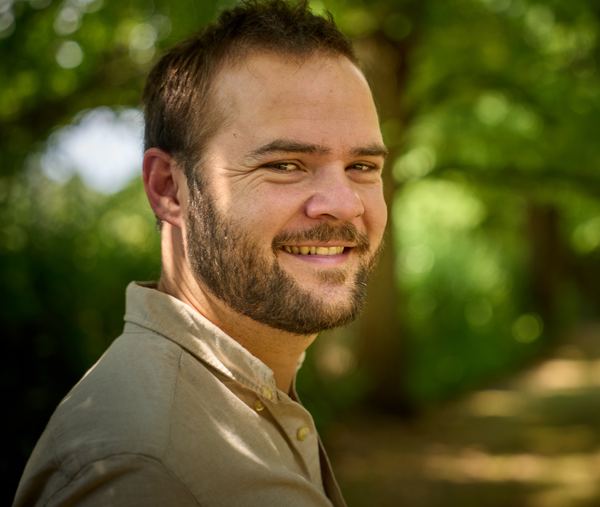
My approach draws from Somatic Experiencing (Peter Levine), Sensorimotor Psychotherapy (Pat Ogden), and Integrative Attachment Therapy (informed by Harvard Medical School research). I understand that trauma lives in our nervous system, and healing requires working at that level.
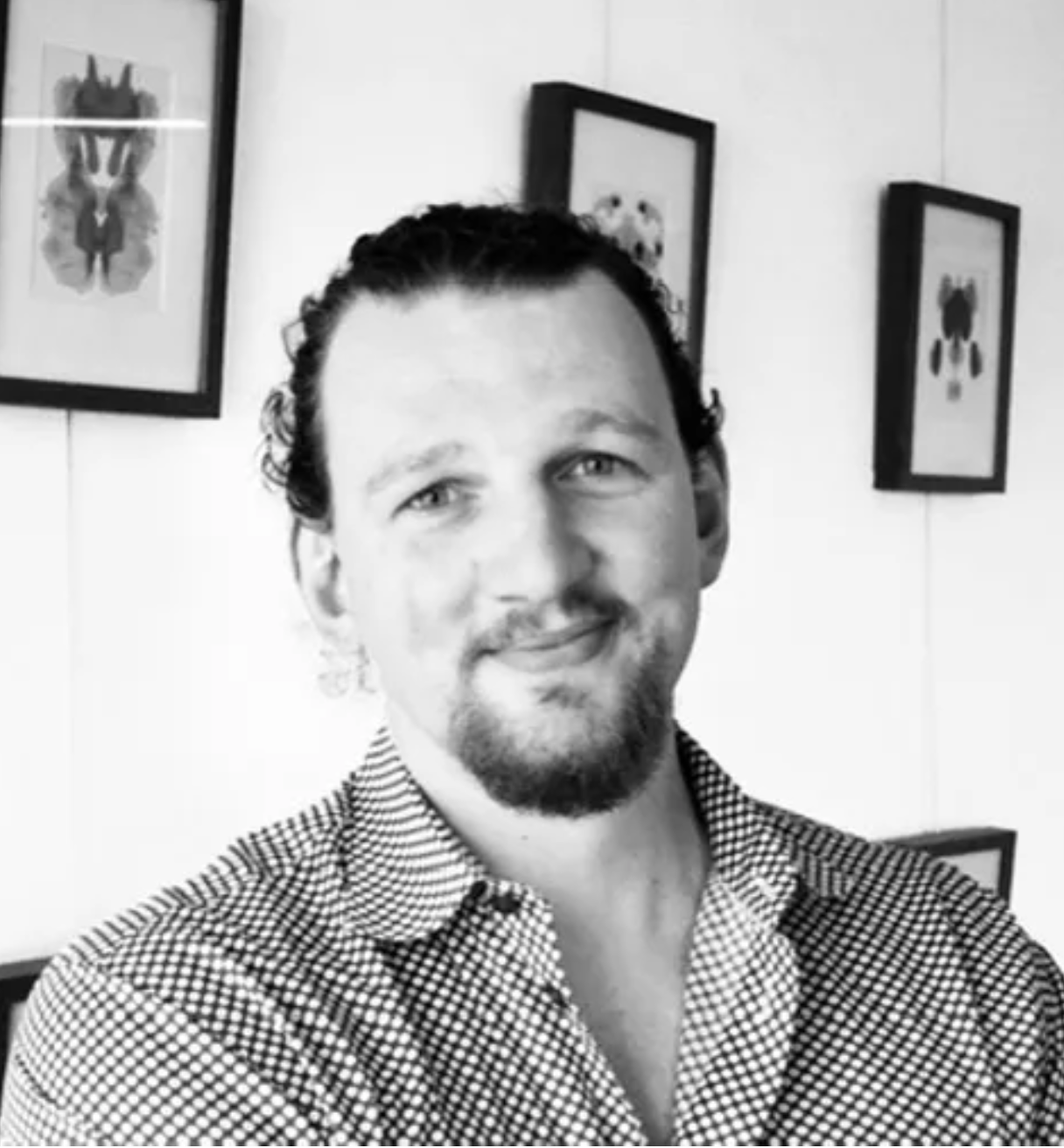
I work under clinical supervision with Dr Tra-ill Dowie PhD (dual PhDs in Philosophy and Psychiatry), ensuring the highest standards of care and ethical practice.
Free 15-minute discovery call. Let's discuss your experience and explore whether my approach feels right for your healing journey.
Trauma-informed psychotherapy is now available in Yarraville as well as Kyneton and online. My somatic and attachment-informed approach to trauma is well-suited to clients across Melbourne's inner west.
Healing from trauma is possible. If you'd like to talk about what you're experiencing and whether working together might help, I offer a free 15-minute call.
Schedule Your Free Discovery CallHours: Monday to Thursday, 9am–6pm
Locations: Kyneton • Yarraville • Online in Australia or internationally