For the patterns you didn't choose — but keep living out.
Book Your Free Discovery Call
You notice it across relationships — romantic, friendships, family, even work. A pull toward people who are unavailable. An impulse to fix or rescue. Anxiety when someone gets close; panic when they pull away. A habit of abandoning yourself to keep the peace.
These aren't character flaws. They're attachment adaptations — strategies your nervous system learned early in life to keep you safe. They made sense once. But they're running your life now, and they don't have to.
Your attachment style isn't random. It was shaped by your earliest relationships — how your caregivers responded to your needs, what felt safe, what felt dangerous. These early lessons got wired into your nervous system. Whether you remember or not, those early years had a huge impact on all of us.

Attachment theory, developed by John Bowlby, shows us that the quality of your early relationships creates an internal working model — a blueprint for how you perceive the world, whether you feel safe in connection, and how you expect others to respond to your needs. If your caregiver was consistently attuned, you learned that it's safe to need. If they were distant or unpredictable, you learned to be self-sufficient or to protest loudly for connection.
These patterns don't just affect romantic relationships. They show up in friendships, at work, in how you parent, and — perhaps most importantly — in how you relate to yourself. The inner critic, the people-pleasing, the emotional shutdown: these are all attachment strategies.
And not all patterns come from the attachment years (the first two years). Sometimes the patterns we pick up are from childhood or later. We use clinical assessment tools to make this determination, and that helps structure how we work together.
This isn't about blame. Your parents did the best they could with what they had. This is about understanding, compassion, and choosing something different going forward.

I draw from several evidence-based methodologies, all applied in individual therapy:
Integrative Attachment Therapy (IAT): Informed by research at Harvard Medical School, IAT focuses on healing your individual attachment wounds — the patterns you carry from your earliest relationships. Through guided work, you develop a secure internal working model so you can show up differently in all areas of your life.
Emotionally Focused Therapy (EFT): Originally developed for relational work, EFT principles are deeply effective in individual therapy. We access the vulnerable emotions beneath the surface — the fear beneath the anger, the longing beneath the withdrawal — and work with them directly.
Gottman Method: Based on decades of research into what makes relationships work, the Gottman framework helps you understand your own relational patterns — the bids for connection you make (or miss), the stories you tell yourself about others' intentions, and the cycles you fall into.
This is individual work. You don't need a partner, a relationship crisis, or anyone's permission. The deepest change in how you connect with others begins with how you relate to yourself.

Yes. Researchers call it earned secure attachment — and it's one of the most hopeful findings in developmental psychology.
One of the most powerful aspects of Integrative Attachment Therapy is creating what we call an "internal secure base." This means developing a relationship with yourself that's compassionate, steady, and grounded — so your sense of safety doesn't depend entirely on how others respond to you.
Through guided visualisation and body-awareness work, we help your nervous system learn that it's safe to trust, to need, and to be close. This is grounded in neuroscience — your brain's patterns are genuinely malleable, and new relational experiences create real change over time.
As a secure internal working model develops, people often find they can show up differently everywhere — less reactive, more grounded, with more genuine choice in how they respond. Romantic relationships, friendships, work dynamics, and the relationship with yourself all begin to shift.
None of these make you broken. They make you someone whose nervous system adapted brilliantly to difficult circumstances. Attachment therapy helps you keep the wisdom and lose the suffering.
Attachment therapy explores how your earliest relationships — particularly with caregivers — shaped the way you relate to others and to yourself. These early patterns (anxious, avoidant, or disorganised attachment) often operate unconsciously, driving anxiety in connection, difficulty trusting, people-pleasing, or emotional shutdown. Understanding and working with these patterns creates the possibility for more secure, grounded ways of being.
Yes. Neuroscience confirms that attachment patterns are genuinely malleable. Through therapy, you develop what's called "earned secure attachment" — a new internal working model built through corrective relational experiences. This isn't a quick fix, but it is real and lasting change.
That's exactly what attachment therapy addresses. Your earliest relationships literally shaped your nervous system and how you relate. This isn't about blame — it's about understanding. Once you see the pattern, you can make different choices.
Almost always — yes. When you shift your own attachment patterns, the way you relate to everyone around you shifts too. Clients often report that their romantic relationships, friendships, and family dynamics all improve as they develop a more secure internal base. You don't need a partner in the room for this work to profoundly change your relationships.
Therapy can have an immediate impact on one's life, simply by providing safety, stabilising the nervous system, providing insight, and fostering resources. Establishing attachment security is generally a longer term project. The IAT model I work with is far ahead of the field in that permanent changes can be expected from about 6 months of weekly therapy. I'll give you realistic expectations in your discovery call.
Yes. I offer individual attachment therapy in Kyneton, serving clients across the Macedon Ranges — Woodend, Gisborne, Mount Macedon, and surrounding areas. Sessions are also available in Yarraville (inner west Melbourne) and online.

PACFA Registered Integrative Psychotherapist
My work is informed by attachment theory, trauma-informed practice, and somatic approaches. More importantly, I've spent time understanding my own patterns. I know how hard it is to break cycles, and I know it's possible.
What I bring to this work is genuine presence, a commitment to your growth, and the belief that secure, grounded connection — with yourself and with others — is available to you.
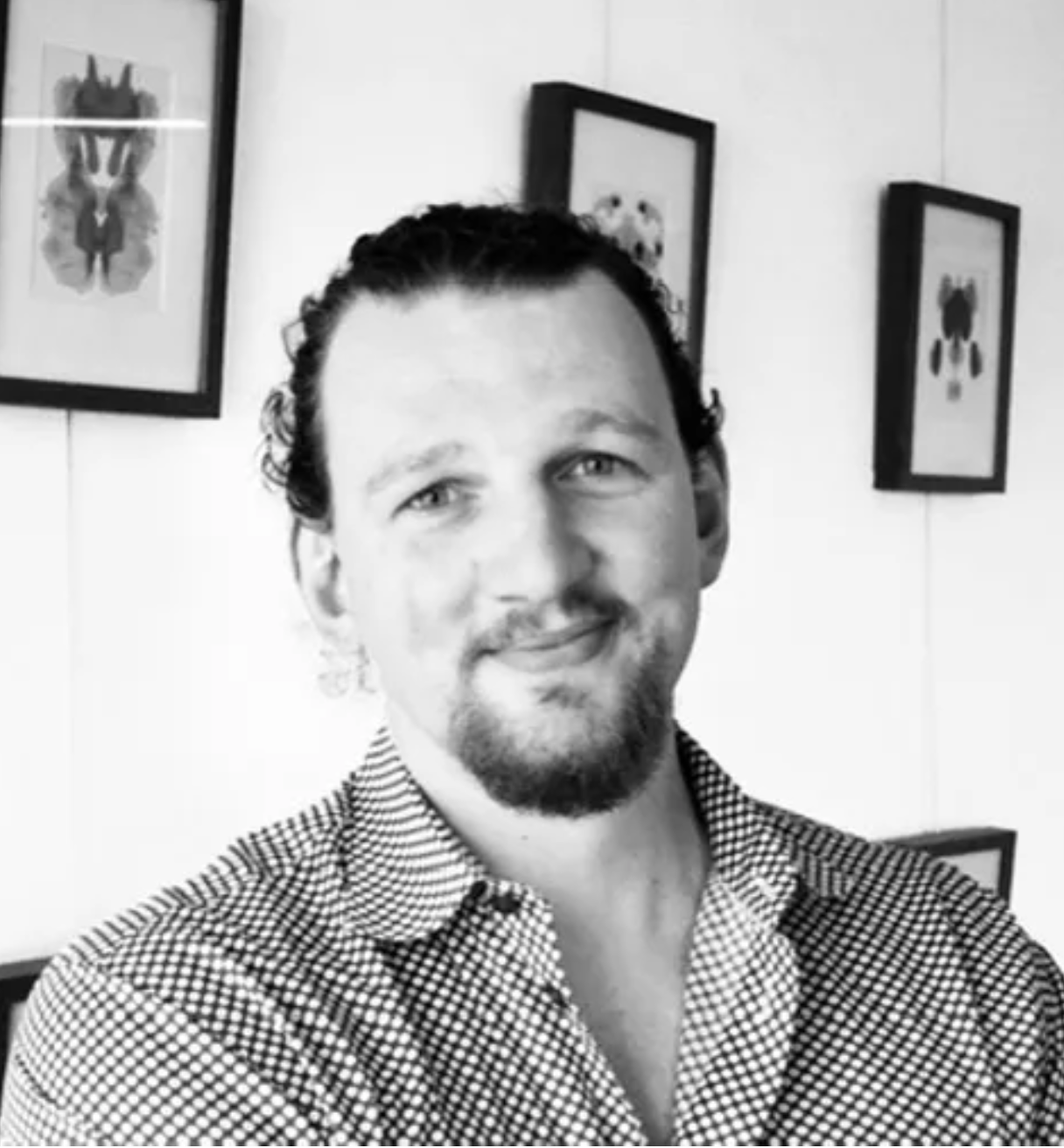
Clinical Supervision: Dr Tra-ill Dowie PhD
Individual attachment therapy is available in Yarraville for clients across Melbourne's inner west. If your patterns are running the show, we can work together to understand where they come from and what else is possible.
Your attachment patterns made sense once. They don't have to define what comes next. If you'd like to talk about what's happening and whether working together feels right, I offer a free 15-minute call.
Schedule Your Free Discovery CallHours: Monday to Thursday, 9am–6pm
Locations: Kyneton • Yarraville • Online in Australia or internationally