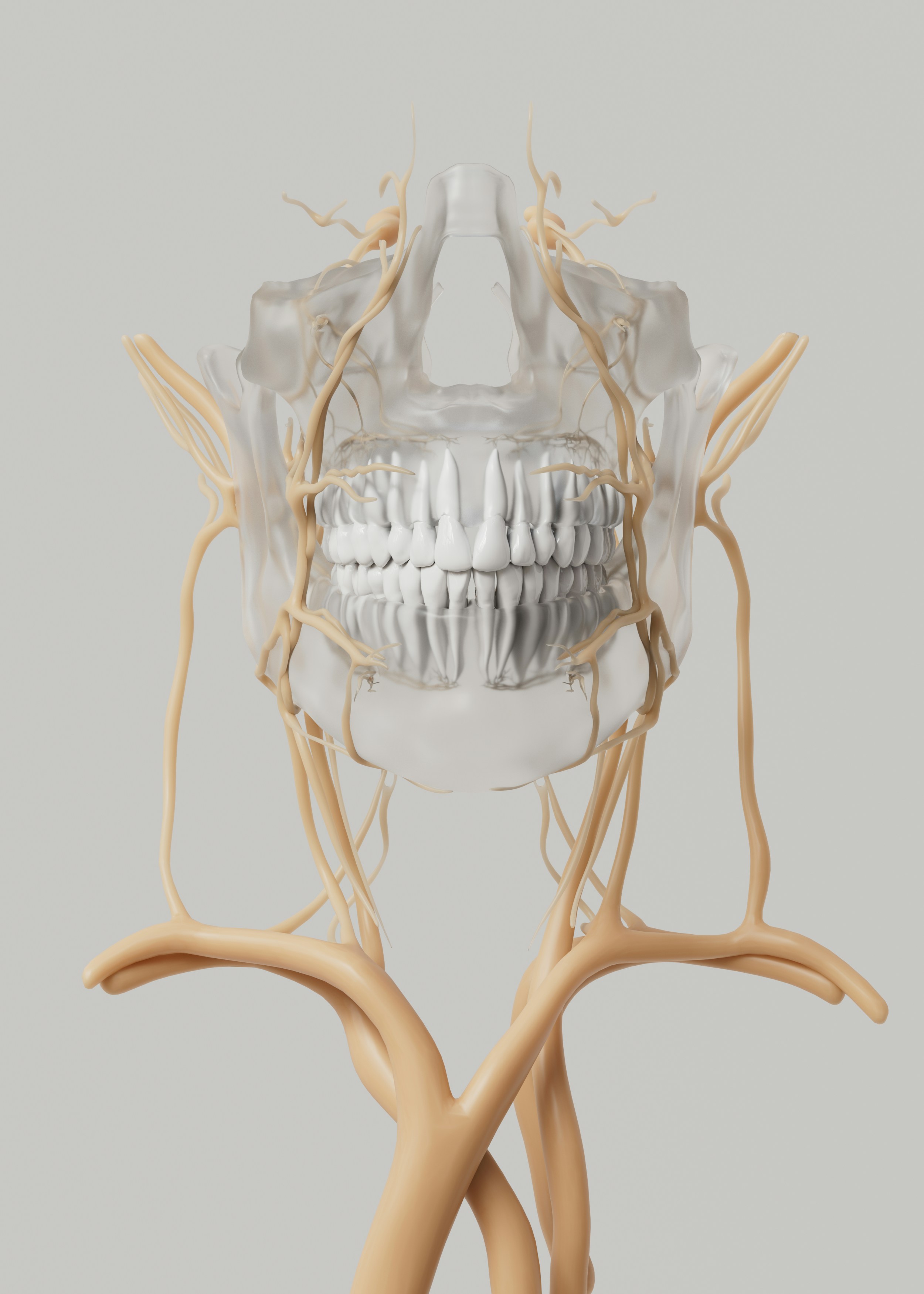
You might not think of your body as carrying your story, but it does. Trauma doesn't just live in our mind; it lives in our muscles, in our breath, in the way we breathe, in the space we take up in the world.
These aren't character flaws or signs of weakness. They're our body's way of protecting us—responses that made perfect sense at the time of the original threat. The problem is, our body can stay in protection mode, long after the danger has passed.
The good news? Your body can learn something different. And somatic psychotherapy is the pathway to that learning.
Somatic psychotherapy recognises that our body isn't just a vessel for our mind—it's a living record of everything we've experienced. When traditional talk therapy isn't reaching the places that hurt, somatic psychotherapy offers a way in through the body itself. By working with sensation, breath, movement, and nervous system regulation, we access layers of experience that words alone can't touch. This is healing that honours your whole self—not just the parts you can articulate.
If something here is landing, you don't have to read to the end before reaching out.
Book a free 15-minute call ↓
Somatic psychotherapy works directly with our nervous system, not against it. Rather than asking you to simply "think positive" or talk your way out of anxiety, we work with the body's innate wisdom—with the resources, resilience, and capacity for healing that already live within you.
I draw on techniques from two main approaches: Somatic Experiencing (SE), developed by trauma researcher Peter Levine, and Sensorimotor Psychotherapy, created by Pat Ogden. Both recognise that trauma is incomplete—that our body had a survival response that was interrupted or suppressed. Our work together involves gently accessing these incomplete responses and allowing your body to complete them in a safe, supported way.
This might involve noticing sensations in your body, exploring movement impulses, or simply learning to pause and feel. There's no right way to do it. The process is collaborative, and you're always in control. I follow your lead, working at a pace that feels safe for you.
As your body learns that the danger has passed, the old protective patterns begin to soften. Anxiety decreases. You breathe more freely. You feel more present, more alive, more genuinely yourself.
No. Somatic psychotherapy is not about reliving trauma. We work gently with your body and its sensations at a pace you control. Instead of re-traumatising you, we help your body complete the survival responses that were interrupted during the original event. You remain safe, grounded, and in control throughout the process.
While talk therapy focuses on thoughts and narratives, somatic therapy works with what your body holds—tension, breathing patterns, movement impulses, and physical states. Many people find that talking alone isn't enough because trauma lives in the body. By bringing awareness and gentle touch or movement into the session, we access healing that language alone cannot reach.
Our approach prioritises your stability and safety. We build a strong foundation and only work with material at a pace you can handle. Emotions may surface, but that's part of healing, not a sign of failure. I'm trained to help you stay regulated and grounded throughout the process. You're in control of the pace.
Somatic psychotherapy is particularly effective for complex trauma because it works with the body, where trauma is stored. Whether you've experienced single-incident trauma, complex/developmental trauma, or relational patterns, this approach can help. Every person is different, and I'll work with you to create a tailored approach that fits your needs.
Many people come to somatic therapy with little body awareness—that's completely normal and very common. Learning to notice what your body is telling you is part of the healing process. I'll gently guide you to develop this awareness over time. You don't need any special ability; you just need to be willing to pay attention.
We sit comfortably together and talk about what's present for you. The difference from traditional talk therapy is that I'm also attuned to your body — noticing changes in your breathing, tension in your shoulders, shifts in your posture. I might invite you to notice what's happening in your body, explore a particular sensation, or follow a movement impulse that arises. It's gentle, collaborative, and entirely at your pace. There's nothing you need to prepare or know in advance.
Yes. I offer somatic psychotherapy in Kyneton, which is centrally located for clients across the Macedon Ranges — including Woodend, Gisborne, Mount Macedon, Malmsbury, Riddells Creek, and Trentham. If you're further afield, I also see clients in Bendigo (Kangaroo Flat) and online across Australia and internationally. Somatic work translates well to video sessions, so distance needn't be a barrier.
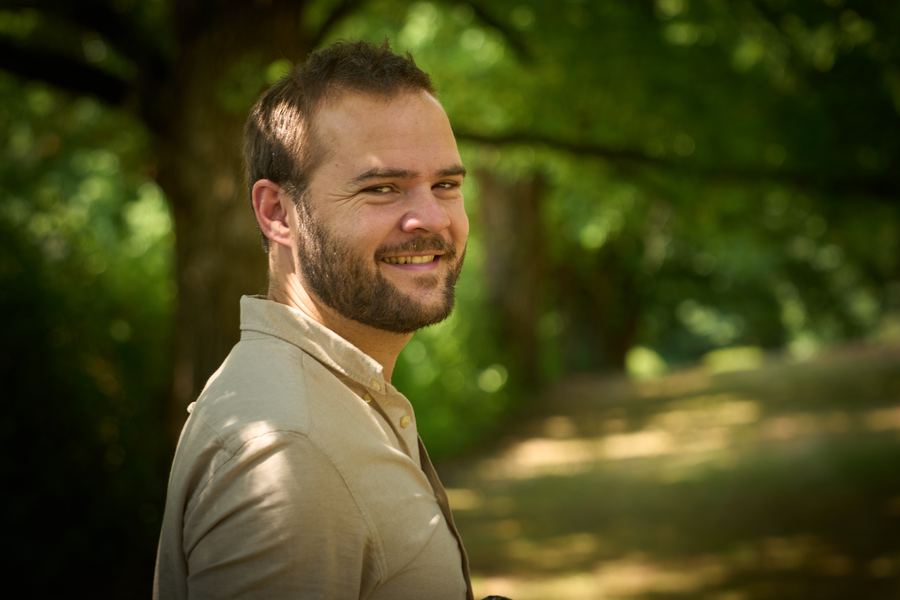
My clinical work draws on techniques from Somatic Experiencing (Peter Levine) and Sensorimotor Psychotherapy (Pat Ogden). It's grounded in a deep belief that our body holds wisdom—and that when we listen to it with compassion and skill, profound healing becomes possible.
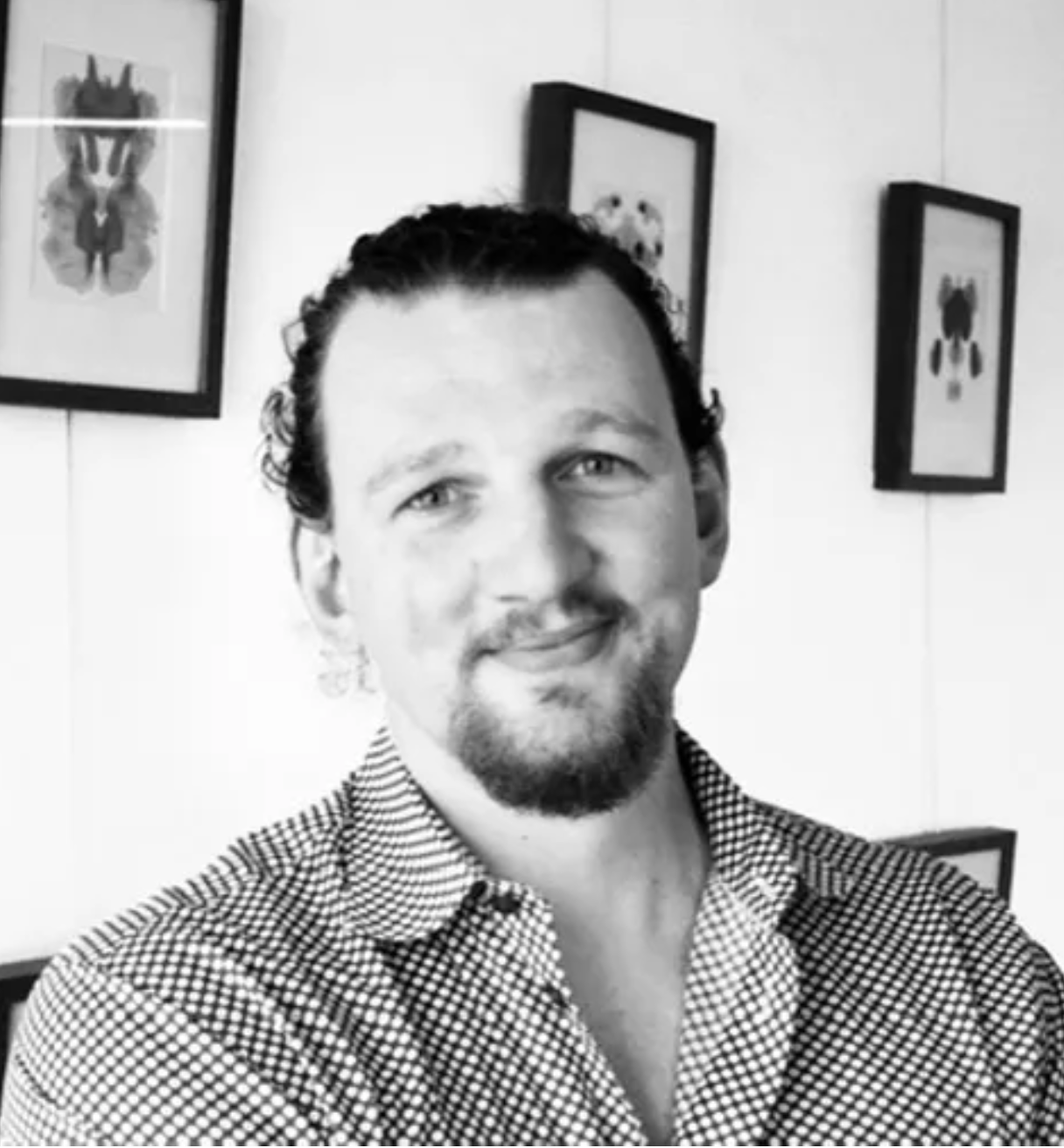
I work under clinical supervision with Dr Tra-ill Dowie PhD, ensuring that your therapy meets the highest standards of care and accountability.
Free 15-minute discovery call. Let's talk about what you're carrying and whether somatic therapy feels right for you.
