When your mind won't stop and your body won't settle.
Schedule Your Free Discovery Call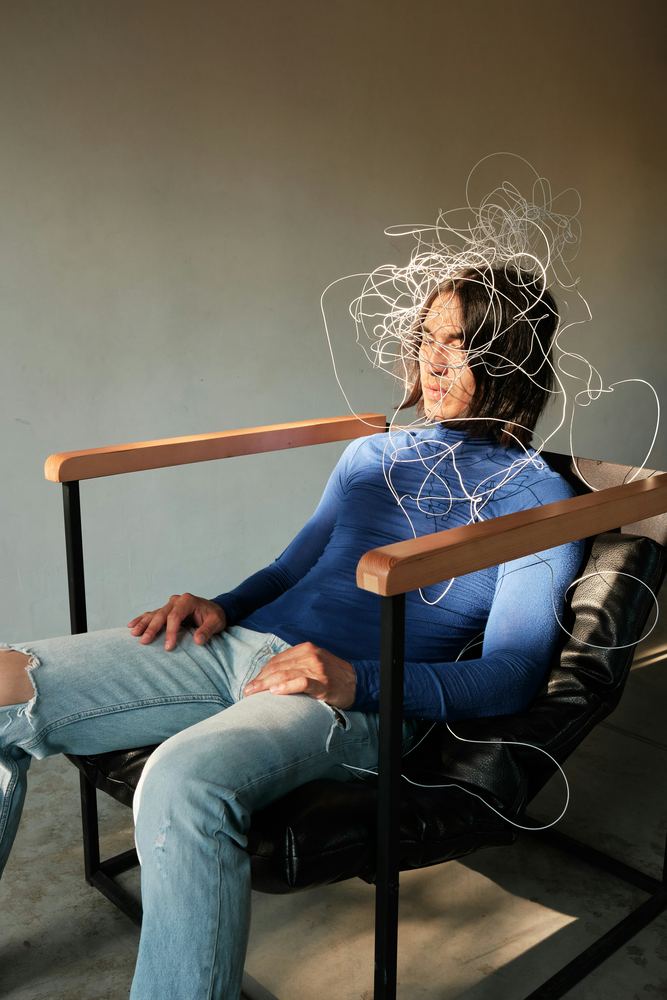
Anxiety wears many faces. Some people experience it as generalised worry that colours everything. Others know it as sudden panic attacks — moments of overwhelming fear and physical symptoms that feel life-threatening, even when you know rationally that you're safe. Social anxiety might make you feel watched, judged, ashamed. Health anxiety has you convinced that every body sensation is a sign of serious illness.
Whatever form it takes, anxiety is exhausting. And it's more common than most people realise.
Social anxiety in particular can prompt careful coping strategies — performing ease, carefully monitoring how you're coming across, sometimes called "masking." These responses can work in the moment but tend to reinforce the cycle over time, because the underlying vulnerability never gets the attention it needs. The root is usually an early learned sense that it wasn't safe to be fully oneself in certain kinds of company.

Here's the truth nobody tells you: anxiety isn't a character flaw. You're not weak or broken. What's happening is that our nervous system is dysregulated. Our body's alarm system—designed to protect you—is stuck in the "on" position.
Anxiety is our nervous system in a hyperaroused state, convinced that danger is present or imminent. It might be responding to something genuinely threatening in your present moment. But more often, it's responding to memories, patterns, or unconscious associations that your system has learned to fear. Maybe you learned in childhood that the world wasn't safe. Maybe you experienced something overwhelming that was never fully processed. Maybe you inherited a tendency toward worry.
The physical sensations—the racing heart, the shallow breathing, the tight muscles, the nausea—are real. Our body isn't playing tricks on us. It's doing exactly what it's designed to do: preparing for "fight, flight, or freeze." The problem is that this response gets triggered too easily and stays activated too long.
My approach addresses anxiety at multiple levels: the body, the mind, and the roots of where the anxiety came from.
Rather than starting with your thoughts, we start by calming your nervous system. I teach you practical techniques to shift your body out of hyperarousal: grounding practices, breathwork, somatic awareness, and resources. As things settle inside you, your mind naturally follows.
Anxiety doesn't emerge in a vacuum. Often it connects to attachment patterns, earlier experiences, or unprocessed events. We explore what's underneath the surface worry—not with analysis alone, but with compassionate curiosity. Understanding roots creates lasting change.
I use somatic techniques—body awareness, gentle movement, breath, and body-based regulation—alongside talk therapy. This combination is powerful because it works with where anxiety actually lives: in our body, not just in our thoughts.
The goal isn't just symptom relief. It's helping you develop a fundamentally different relationship with anxiety and an inner steadiness even when life is challenging. This is resilience that lasts.

When you come in for anxiety therapy, you'll find a space that's collaborative and at your pace. I'm not here to push you toward change faster than feels right. Slow, sustainable progress is what creates lasting healing.
In our first session, we'll talk about what brought you here, what anxiety feels like for you, and what you're hoping will shift. We'll begin exploring your history and the patterns that surround your anxiety. You might start learning simple grounding techniques right away—things you can use when anxiety rises.
In subsequent sessions, we work together. You share what's happening, what you're noticing, what feels better or harder. I bring skills, presence, and attunement. Some sessions might focus on practical tools; others on understanding deeper patterns. Some weeks you might feel significant relief; other weeks you might feel like you're not making progress. All of that is part of the process.
My commitment is to meet you where you are, to honour your pace, and to help you gradually reclaim a sense of peace and presence in your own body. Anxiety doesn't have to run your life.
No. While CBT is helpful for some people, my approach goes deeper. I work with your nervous system, not just your thoughts. Anxiety often isn't about faulty thinking—it's about dysregulation in your body. By calming your body and exploring the root causes (often attachment patterns or unprocessed experiences), we create lasting change that goes beyond thought-challenging.
Some people notice shifts within the first few sessions—a slight easing of tension, better sleep, or moments of calm they haven't felt in years. Deeper change takes longer. Most people report significant improvement within 8-12 weeks of regular sessions. But healing isn't linear, and patience with the process is important. We'll track your progress together.
I'm trained to work with panic. If a panic attack occurs in session, we have tools to help you move through it safely. Panic is frightening, but it's not dangerous. Together, we'll help you learn that panic isn't dangerous, and build confidence. Over time, as things settle, panic becomes less frequent and less intense.
"Cured" might not be the right word, but genuine healing is absolutely possible. With the right support, you can develop a different relationship with anxiety. You can learn to regulate. You can access calm and presence again. Some people find that anxiety becomes manageable and rarely intrusive; others find it almost entirely resolves. The goal is your freedom and peace.
That's a decision between you and your GP. Medication can be helpful, and therapy can be helpful. Some people benefit from both. I'm not a doctor, so I can't advise on medication. What I can tell you is that many people reduce or eventually discontinue medication with consistent therapeutic work that heals the root causes. We can work alongside your doctor.
I offer anxiety therapy in Kyneton, which serves the broader Macedon Ranges area — including Woodend, Gisborne, Mount Macedon, Riddells Creek, and surrounding towns. My practice is at 29 High Street, Kyneton, with easy parking. I also see clients in Yarraville (inner west Melbourne) and online throughout Australia and internationally. If you're unsure whether in-person or online would suit you better, we can talk about it in your free discovery call.
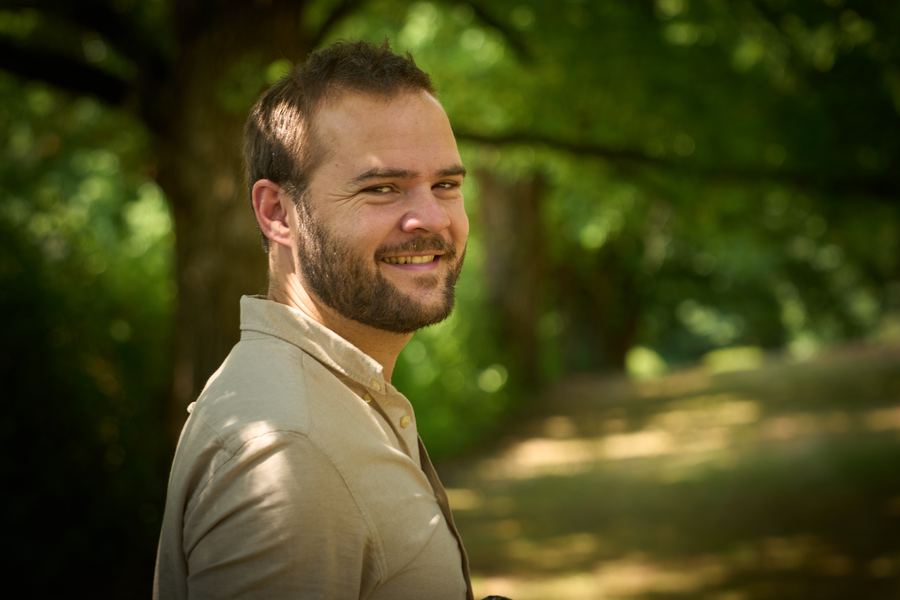
My approach draws from modalities specifically effective for anxiety: Somatic Experiencing, Sensorimotor Psychotherapy, attachment work, and Emotionally Focused Therapy. I understand that anxiety is a whole-system issue—it involves our body, our mind, and often our relational patterns.
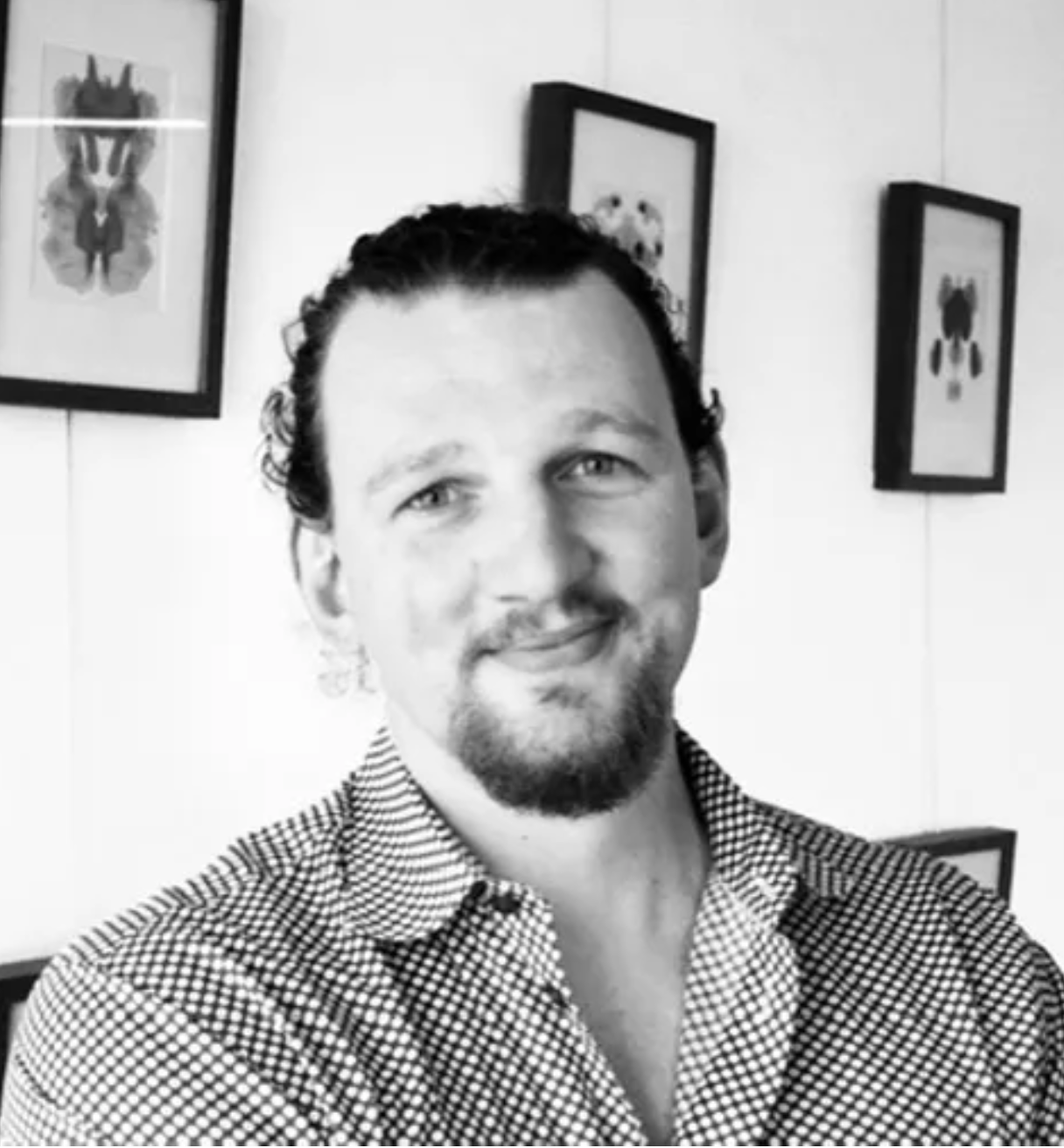
I work under clinical supervision with Dr Tra-ill Dowie PhD, ensuring I'm always bringing my best, most skilful self to your healing. You deserve that.
Free 15-minute discovery call. Let's talk about what anxiety has been like for you, and explore whether working together feels right.
If anxiety is showing up in your body — chest tightness, racing heart, stomach knots — a somatic approach can help. I see clients for anxiety therapy in Yarraville, Kyneton, and online.
You don't have to live with this constant worry, this racing mind, this physical tension. With the right anxiety therapy in Kyneton or online in Australia or internationally, you can learn to settle. You can experience peace again. The first step is a simple conversation.
Schedule Your Free Discovery CallHours: Monday to Thursday, 9am–6pm
Locations: Kyneton • Yarraville • Online in Australia or internationally