Relationships, identity, and the things that don't shift on their own.
Book a Free Discovery Call
Many men arrive at a threshold. A relationship that's deteriorating. A sense of going through the motions — work, home, repeat — and feeling nothing much. Anger that keeps arriving in the wrong places. A breakup or divorce that's opened something up. A version of themselves they don't recognise.
Sometimes it's a specific event. Sometimes it's a slow accumulation — years of managing, coping, keeping things moving — until something tips. Either way, there's usually something underneath what's presenting on the surface: a pattern that's older than the current problem.
Therapy doesn't require you to arrive with your feelings sorted or your language precise. You can come in with what you have — even if that's just a sense that something isn't right.
If something here is landing, you don't have to read to the end before reaching out.
Book a free 15-minute call ↓
Relationship difficulties rarely come out of nowhere. The way we pursue or withdraw, how we handle conflict, what we do with closeness — these patterns were shaped long before the current relationship. They repeat across partnerships, friendships, and working life because they're not really about the other person. They're about what we learned to expect from connection.
Individual therapy is often the right starting point for relationship work. Not because the other person isn't part of it — they are — but because lasting change usually starts with understanding your own side of the pattern: what you bring, what gets activated, what you reach for when things get hard.
Things that I see often in my practice: difficulty with emotional intimacy; conflict cycles that escalate fast and resolve slowly; withdrawal or shutdown under pressure; feeling chronically misunderstood; navigating separation, co-parenting, or starting again.
There's no expectation that you arrive emotionally fluent or ready to go deep immediately. We start with what you bring — the situation, the behaviour, the question — and follow what actually opens up from there. The depth is available when it's available.
I'm not here to tell you what kind of man to be. The work is about what kind of life you want, what kind of relationships feel real to you, what you're actually carrying. Whatever you bring to that question is worth taking seriously.
A lot of what men carry lives in the body — tension, shutdown, the flat affect that looks like calm but isn't. I work with the body as part of the picture, not as an afterthought, alongside the relationships it lives in and the history behind it. Increasingly the way I work is shaped by Unconditional Self Therapy: recognising your own patterns as they run, meeting them without turning on yourself, and trusting your own read of things.
I'll say what I notice. I'll ask questions that go somewhere. This isn't about being confrontational — it's about the conversation being worth having. Therapy that avoids the real material isn't therapy; it's paid small talk.
This isn't men's coaching, life coaching, or a structured program with a curriculum. It's therapy — an ongoing relationship aimed at understanding and change at depth. It's not crisis counselling (though it can work alongside crisis support). It's not couples therapy, though individual work often changes the couple dynamic significantly.
It's also not a space where you'll be pathologised for how you grew up or how you've coped. Men develop their ways of being in the world for reasons. The work is curious about those reasons, not critical of them.
The process is the same — a relationship, honest conversation, working with what's actually present. What differs is how men often arrive: later, at a crisis point, more likely to describe things in behavioural or cognitive terms than emotional ones. Good therapy meets you where you are, not where a textbook says you should be.
No. Most people need time to find the right words for things. We start with what you can bring, and the rest opens up at its own pace. There's no pressure to perform emotional disclosure before you're ready.
Yes — though it's rarely just about the relationship in isolation. Relationship difficulties usually connect to deeper patterns: how we learned to attach, what we do with conflict, how we handle closeness and distance. Individual therapy is often a good starting point even when the problem feels entirely relational.
The fit between therapist and client matters enormously — probably more than any particular method. If a previous experience felt too surface-level, too focused on coping strategies, or just not the right relationship, that's worth naming in a first conversation. The free discovery call is a good place to work out whether this would be different.
Yes. I'm available in Bendigo at 2nd Floor, 17–19 View Point, Bendigo VIC 3550, in the centre of town, on Mondays, Wednesdays and Thursdays. Also in Kyneton on Tuesdays, and online throughout Australia.

I'm a male integrative psychotherapist working in Bendigo and Kyneton. I work with men navigating relationship difficulties, identity questions, disconnection, and the kind of quiet accumulation that eventually becomes impossible to ignore. I work integratively and relationally — with the body, with attachment patterns, with the history behind them, and with what's actually in the room.
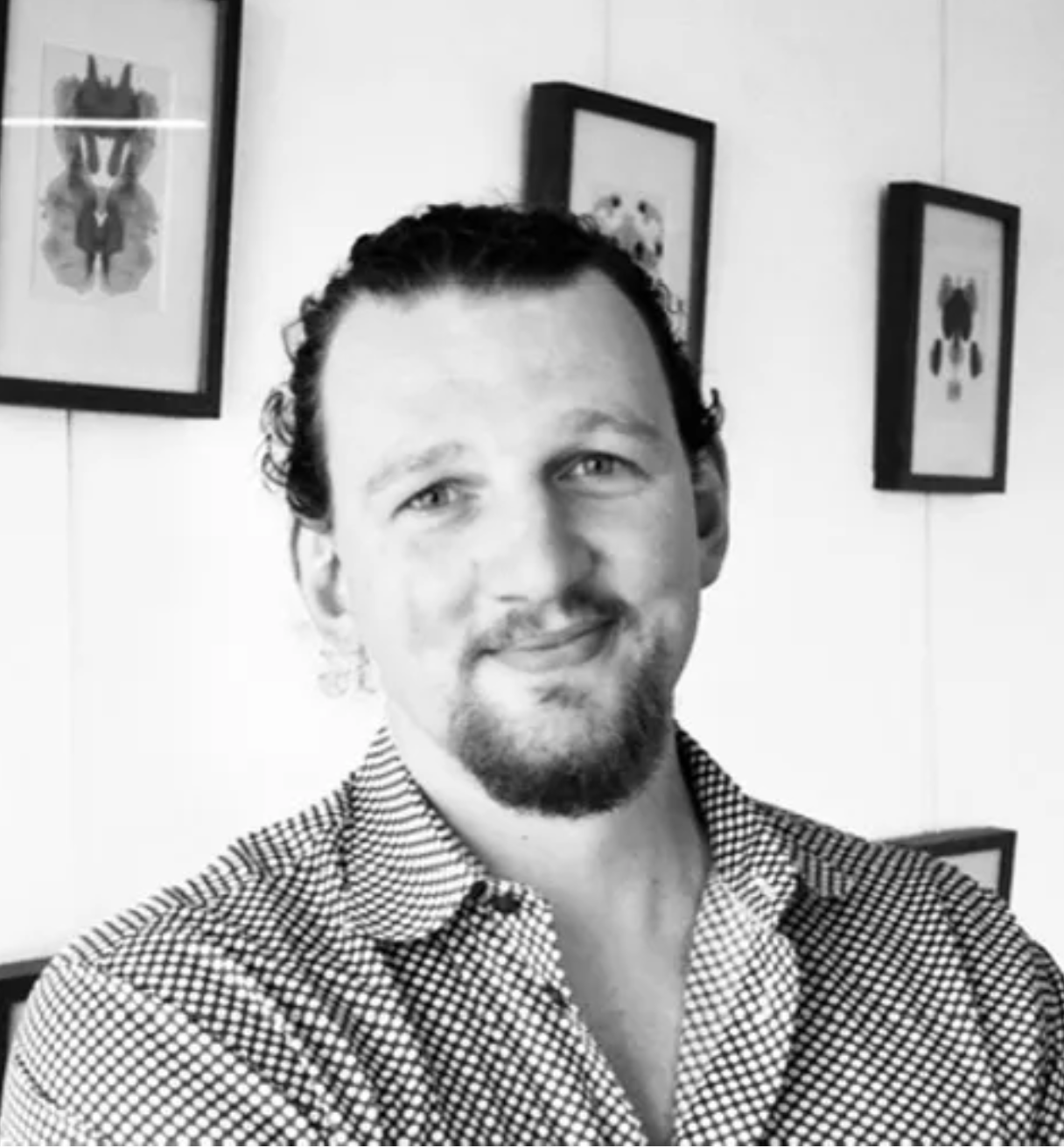
I work under regular clinical supervision with Dr Tra-ill Dowie PhD.
Free 15-minute discovery call. No obligation — just a conversation about what's bringing you here and whether working together feels right.
17–19 View Point, Bendigo
Twenty Nine Collaborative, Kyneton
Online — Australia & internationally
