When your mind won't stop and your body won't settle.
Schedule Your Free Discovery Call
Anxiety wears many faces. Some people experience it as generalised worry that colours everything. Others know it as sudden panic attacks — moments of overwhelming fear and physical symptoms that feel life-threatening, even when you know rationally that you're safe. Social anxiety might make you feel watched, judged, ashamed. Health anxiety has you convinced that every body sensation is a sign of serious illness.
Whatever form it takes, anxiety is exhausting. And it's more common than most people realise.
Social anxiety in particular can prompt careful coping strategies — performing ease, carefully monitoring how you're coming across, sometimes called "masking." These responses can work in the moment but tend to reinforce the cycle over time, because the underlying vulnerability never gets the attention it needs. The root is usually an early learned sense that it wasn't safe to be fully oneself in certain kinds of company.
If something here is landing, you don't have to read to the end before reaching out.
Book a free 15-minute call ↓My approach is integrative. Anxiety has a body, a feeling underneath it, a set of relationships it lives inside, and a history — and the work addresses all of them, not just the thoughts.
Anxiety can't be argued down, but a body can be helped to settle. Early on I teach practical ways to come down off high alert — grounding, breath, attention to sensation, anchors you can come back to — so that the rest of the work has somewhere steady to stand.
Anxiety doesn't emerge in a vacuum. Often it connects to attachment patterns, earlier experiences, or unprocessed events. We explore what's underneath the surface worry—not with analysis alone, but with compassionate curiosity. Understanding roots creates lasting change.
Increasingly the way I work is shaped by Unconditional Self Therapy: recognising your own patterns and conditioning as they run, meeting them with compassion rather than fighting them, and learning to trust your own inner sense. Anxiety loses most of its grip once it's understood from the inside rather than fought from the outside.
Anxiety usually has other people in it — the email you reread, the silence you fill, the approval you're still angling for. Some of that turns up between us in the room, and working with it live is worth more than describing it. For some people the interpersonal group in Bendigo becomes the right next step.
The goal isn't just symptom relief. It's helping you develop a fundamentally different relationship with anxiety and an inner steadiness even when life is challenging. This is resilience that lasts.
No. CBT is helpful for some people, and it works mostly with thoughts. I work with the whole of it: the body, the feelings underneath the worry, the relationships the anxiety lives inside, and the history that set it running. We don't argue with the anxiety. We get to know it, settle what needs settling, and explore the roots (often attachment patterns or unprocessed experiences), which is where lasting change tends to come from.
Some people notice shifts within the first few sessions—a slight easing of tension, better sleep, or moments of calm they haven't felt in years. Deeper change takes longer. Most people report significant improvement within 8-12 weeks of regular sessions. But healing isn't linear, and patience with the process is important. We'll track your progress together.
I'm trained to work with panic. If a panic attack occurs in session, we have tools to help you move through it safely. Panic is frightening, but it's not dangerous. Together, we'll help you learn that panic isn't dangerous, and build confidence. Over time, as things settle, panic becomes less frequent and less intense.
"Cured" might not be the right word, but genuine healing is absolutely possible. With the right support, you can develop a different relationship with anxiety. You can learn to regulate. You can access calm and presence again. Some people find that anxiety becomes manageable and rarely intrusive; others find it almost entirely resolves. The goal is your freedom and peace.
That's a decision between you and your GP. Medication can be helpful, and therapy can be helpful. Some people benefit from both. I'm not a doctor, so I can't advise on medication. What I can tell you is that many people reduce or eventually discontinue medication with consistent therapeutic work that heals the root causes. We can work alongside your doctor.
I offer anxiety therapy in Bendigo and Kyneton. My Kyneton room serves the broader Macedon Ranges area — including Woodend, Gisborne, Mount Macedon, Riddells Creek, and surrounding towns. My practice is at 29 High Street, Kyneton, with easy parking. I also see clients in central Bendigo and online throughout Australia and internationally. If you're unsure whether in-person or online would suit you better, we can talk about it in your free discovery call.
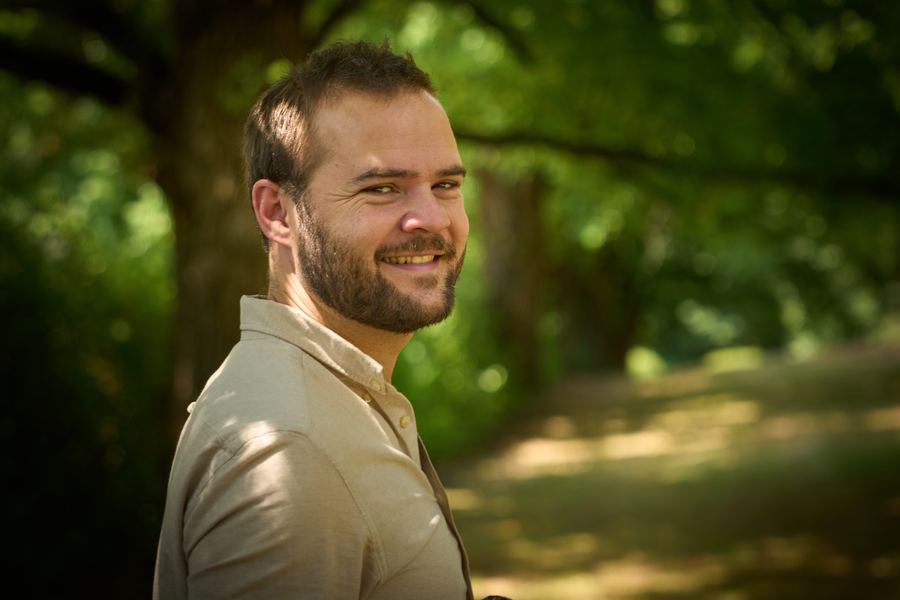
I work integratively — attachment work, Emotionally Focused Therapy, existential and relational approaches, techniques drawn from Somatic Experiencing and Sensorimotor Psychotherapy, and increasingly Unconditional Self Therapy. Anxiety is a whole-person issue: body, mind, relationships, and the life it's happening inside.
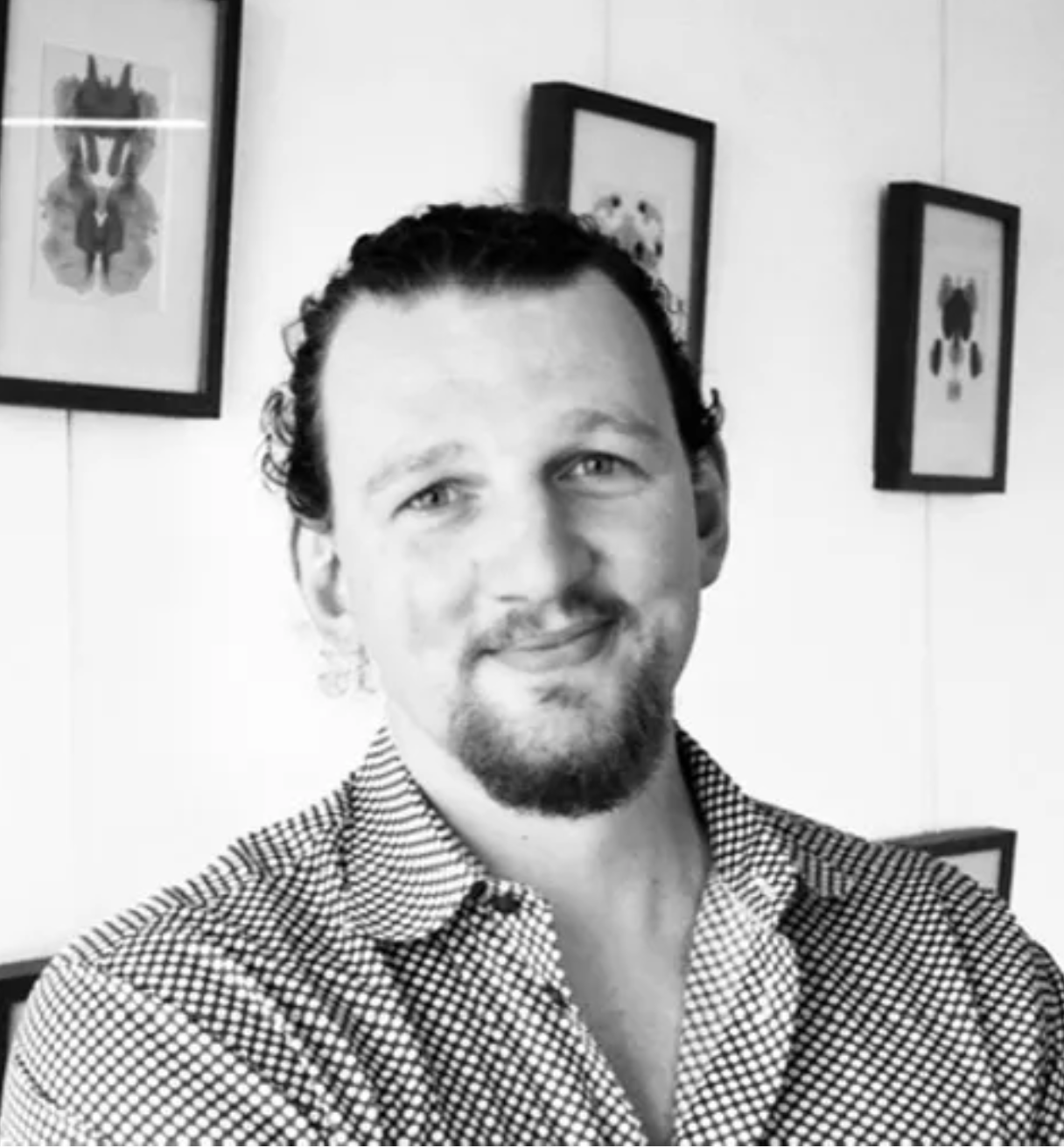
I work under clinical supervision with Dr Tra-ill Dowie PhD, ensuring I'm always bringing my best, most skilful self to your healing. You deserve that.
Free 15-minute discovery call. Let's talk about what anxiety has been like for you, and explore whether working together feels right.
